Electric Vehicle Revolution: What's Coming Next?
By AuthorCrafts - 1 year ago
Business | Technology | Travel | Vehicle
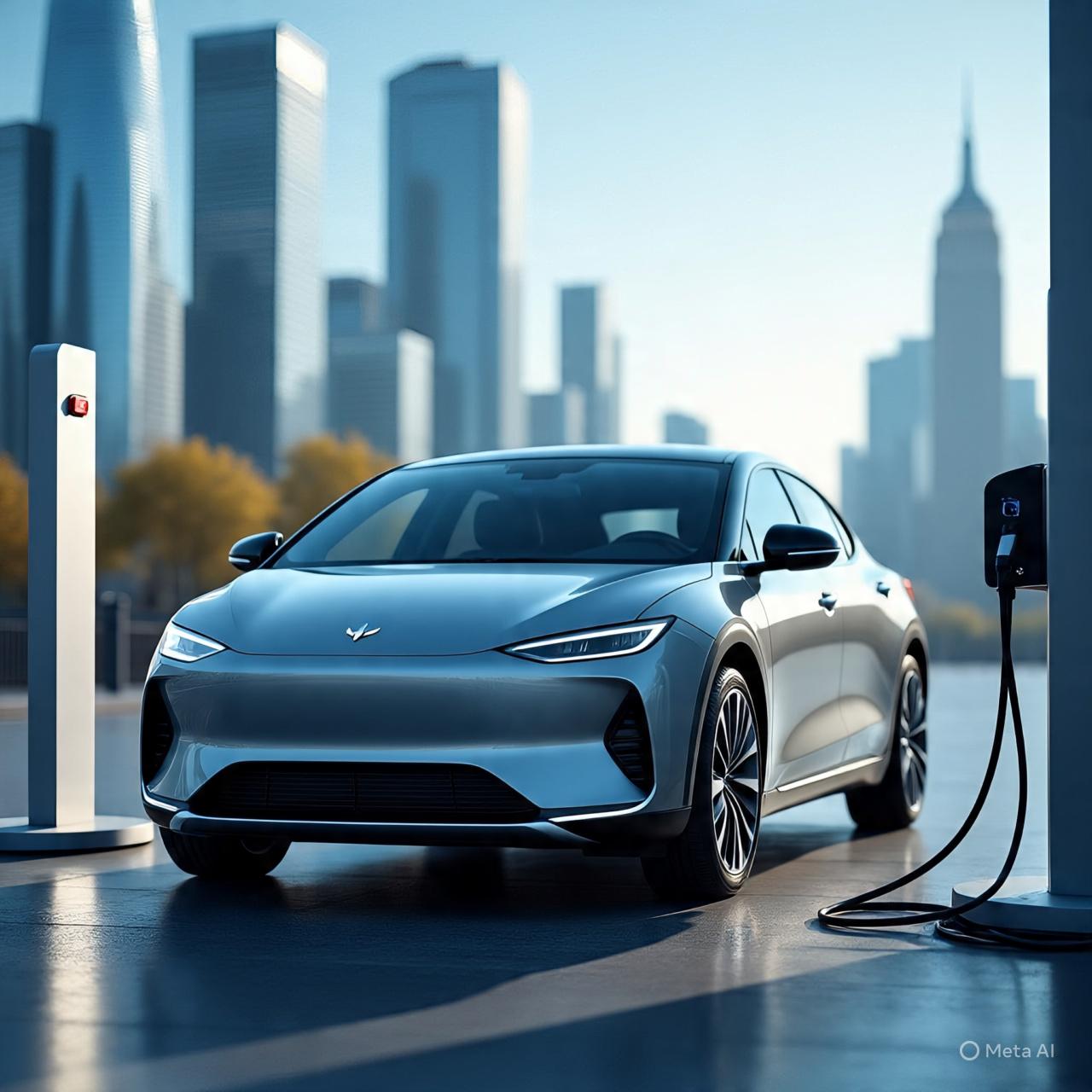
The electric vehicle (EV) market is accelerating faster than many predicted, with technological advancements and policy shifts transforming transportation. Understanding these developments helps prepare for the coming changes in how we move.
Battery technology represents the most critical area of innovation. Solid-state batteries promise higher energy density, faster charging, and improved safety compared to current lithium-ion batteries. Major automakers are investing billions to bring this technology to market within the next 3-5 years, potentially doubling EV range while reducing costs.
Charging infrastructure is expanding rapidly, but challenges remain. Ultra-fast chargers (350kW+) can now add 200 miles of range in under 15 minutes, approaching gas station convenience. However, grid capacity and equitable distribution in rural and low-income areas require significant investment. Wireless charging technology embedded in roads may eventually eliminate charging stops altogether.
Vehicle-to-grid (V2G) technology turns EVs into mobile energy storage units. During peak demand, EVs could sell electricity back to the grid, creating a decentralized energy network. Pilot programs show this could provide substantial income for vehicle owners while stabilizing renewable energy supplies.
Autonomous driving features are progressing alongside electrification. EVs' simplified drivetrains and instant torque make them ideal platforms for self-driving technology. The combination could revolutionize urban mobility, with autonomous EVs providing affordable, on-demand transportation without parking or ownership costs.
Policy changes are accelerating adoption. Many countries have announced bans on new internal combustion engine vehicles, typically by 2030-2040. These deadlines push automakers to electrify their fleets, with some committing to fully electric lineups years ahead of regulations.
The environmental impact extends beyond zero tailpipe emissions. Lifecycle analyses show EVs already have lower carbon footprints than conventional vehicles in most regions, and this advantage grows as electricity grids incorporate more renewables. Recycling programs for batteries are developing to create circular economies for critical materials.
As costs reach parity with traditional vehicles and options expand across vehicle classes, EV adoption is poised for exponential growth. The coming decade will likely see electric vehicles transition from alternative choice to mainstream standard, reshaping automotive industries, energy systems, and urban landscapes worldwide.


Freelance Mobile APP Developer
Flutter | Dart | SQLite
Email: justinjamesrdrgz@gmail.com
