Global Ocean Conservation: Current Efforts and Innovations
By AuthorCrafts - 11 months ago
Health and Wellness | Nature | Technology
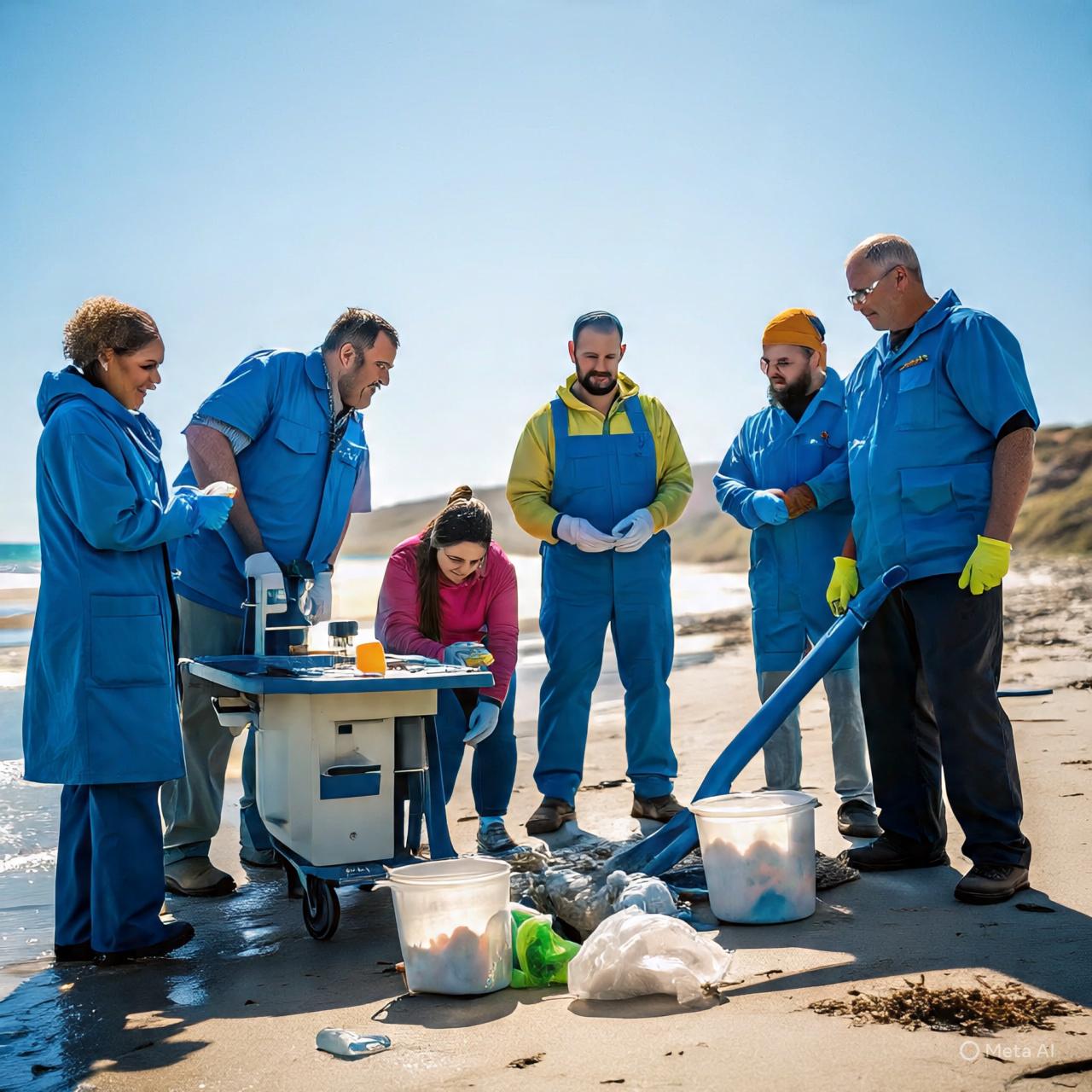
The world's oceans face unprecedented threats from pollution, overfishing, and climate change, but innovative conservation strategies offer hope for marine ecosystem recovery. These global efforts combine traditional knowledge with cutting-edge technology to protect our planet's life-support system.
Marine protected areas (MPAs) are expanding dramatically. The High Seas Treaty aims to protect 30% of international waters by 2030, complementing national efforts. Fully protected "no-take" zones allow ecosystems to regenerate, often resulting in fish biomass increases of 600% within a decade. Dynamic MPAs that shift with migratory species' movements represent a promising innovation.
Plastic pollution solutions are scaling up. River interception systems like The Ocean Cleanup's technologies prevent waste from reaching oceans. Biodegradable alternatives to conventional plastics made from algae or plant cellulose decompose naturally. Policy measures like single-use plastic bans gain global traction, with 77 countries implementing some restrictions.
Sustainable fishing technologies reduce bycatch and habitat damage. LED-lit gillnets decrease sea turtle bycatch by 70%, while smartphone apps help fishers avoid endangered species hotspots. Blockchain seafood tracking ensures legal, sustainable catches reach markets. Aquaculture innovations like offshore kelp farming provide alternatives to wild fishing while sequestering carbon.
Coral reef restoration efforts are achieving unprecedented scale. Coral microfragmentation accelerates growth rates 25-50 times, enabling rapid reef repair. Assisted evolution breeds heat-resistant corals, while 3D-printed structures provide substrates for natural colonization. These techniques are restoring reefs from Florida to the Maldives.
Blue carbon initiatives recognize coastal ecosystems' climate mitigation potential. Mangroves, salt marshes, and seagrasses sequester carbon 35 times faster than tropical forests. Conservation and restoration of these habitats could provide 14% of needed emissions reductions while protecting coastlines and supporting fisheries.
Citizen science is democratizing ocean conservation. Apps like iNaturalist allow divers and beachgoers to report species sightings, contributing valuable data. Low-cost underwater drones monitor reef health in communities lacking research funding. These approaches engage the public while expanding scientific capacity.
While challenges remain, these coordinated efforts demonstrate that ocean decline isn't inevitable. From local community initiatives to international treaties, humanity is developing the tools and frameworks needed to restore marine ecosystems that sustain all life on Earth.


Freelance Mobile APP Developer
Flutter | Dart | SQLite
Email: justinjamesrdrgz@gmail.com